
Many warehouse operators feel overwhelmed at the thought of automating their facility. The process seems complicated, expensive, and disruptive before it even begins. In reality, a thoughtful starting approach makes the transition manageable. Here is a practical path for facilities considering automation for the first time.
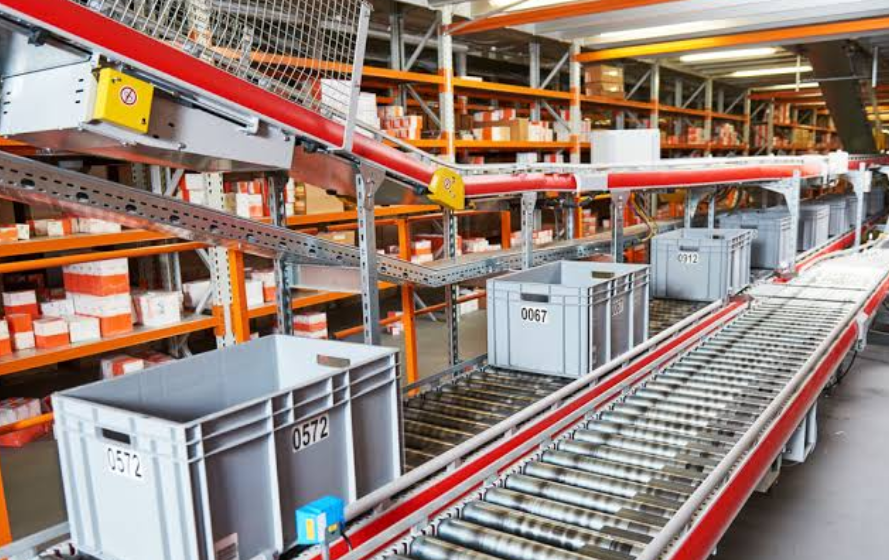
A Practical Starting Point for New Adopters
Feeling overwhelmed at the idea of automating your warehouse for the first time? Reliable warehouse automation systems providers help facilities start small and build confidence gradually. Here is how to begin.
Starting With a Facility Assessment
Before choosing any technology, facilities benefit from a thorough evaluation of current workflows. This assessment identifies bottlenecks, repetitive tasks, and areas where manual processes slow overall output. Understanding these pain points first prevents facilities from investing in automation that does not address actual operational challenges. A clear picture of current inefficiencies guides smarter decisions about where automation delivers the most meaningful improvement early on.
Choosing One Process to Automate First
Rather than overhauling an entire facility at once, many operators find success starting with a single process. This might mean automating just the receiving area or a specific packing station. This focused approach limits financial risk while allowing staff to adjust gradually. Success in one area also builds internal confidence and support for expanding automation further once initial results demonstrate clear value.
Involving Staff Early in the Process
Employees who work directly with existing processes often understand operational challenges better than anyone else. Involving them early in planning helps identify practical concerns that might otherwise get overlooked. This inclusion also reduces resistance to change, since staff feel heard rather than blindsided by new equipment. Facilities that prioritize employee input during planning typically experience smoother adoption once automation actually goes live.
Setting Realistic Timelines and Expectations
First time automation projects often take longer than anticipated once unexpected challenges surface. Building extra time into project timelines prevents frustration when adjustments become necessary. Setting realistic expectations about immediate versus long term benefits also matters. Some improvements appear quickly, while others take months to fully materialize as staff adjust to new workflows and systems reach optimal performance.
Partnering With an Experienced Integrator
Facilities new to automation benefit significantly from working with integrators experienced in guiding first time adopters specifically. These partners understand common concerns and can recommend appropriately scaled solutions rather than overselling complex systems unsuited to a facility’s actual needs. Choosing a partner who explains options clearly and patiently helps first time adopters feel confident throughout the entire process.
Conclusion: A Practical Starting Point for New Adopters
Getting started with warehouse automation does not require an overwhelming, all at once approach. Assessing current workflows, choosing one process to automate first, and involving staff early all support a smoother transition. Setting realistic timelines and partnering with an experienced integrator rounds out a practical starting strategy. This measured approach helps facilities build confidence while achieving meaningful results.
Recent Comments