
Comparing Implants to Other Replacement Options
Choosing how to replace a missing tooth involves weighing several paths forward. Bridges, dentures, and implants each offer distinct advantages and tradeoffs. Understanding these differences helps patients make a confident decision rather than defaulting to whatever gets mentioned first. Here is an honest comparison of how these options stack up against one another.
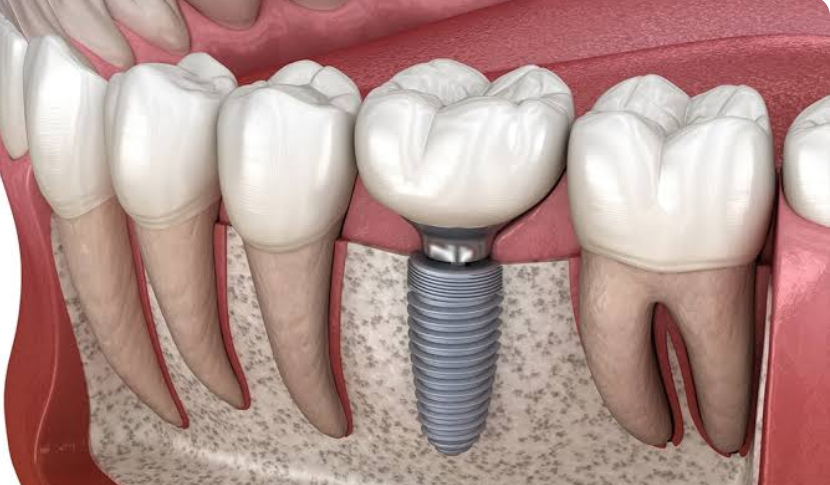
Weighing Your Tooth Replacement Options
Not sure which replacement option actually fits your situation best? Comparing dental implants Raleigh NC against bridges and dentures reveals meaningful differences worth understanding. Here is how each option compares.
How Bridges Compare
Traditional bridges fill a gap by anchoring a replacement tooth to neighboring teeth. This requires altering healthy teeth to accommodate crowns supporting the bridge. While effective short term, bridges typically need replacement after ten to fifteen years. The altered neighboring teeth also face increased risk of future problems. Implants avoid this tradeoff entirely, since they stand independently without affecting surrounding healthy teeth in any way.
How Removable Dentures Compare
Dentures offer a more affordable upfront solution but come with ongoing tradeoffs. They can shift during eating or speaking, causing discomfort for some patients. Regular adhesive use and periodic relining become part of long-term maintenance. Dentures also rest on the gums rather than stimulating the jawbone, which can accelerate bone loss over time. Implants prevent this bone loss since they integrate directly with the jaw structure.
Stability and Daily Function
Implants offer function closest to natural teeth among all replacement options. Patients can eat a wider variety of foods without worrying about slipping or discomfort. Speech also tends to feel more natural since nothing shifts unexpectedly during conversation. This stability often ranks among the most appreciated benefits patients report after completing treatment, especially those who previously struggled with loose or uncomfortable dentures.
Comparing Long Term Costs
Implants typically cost more upfront than bridges or dentures. However, their durability often means fewer replacements and adjustments over many years. Dentures require periodic relining and eventual replacement. Bridges may need replacement as supporting teeth weaken over time. Calculating total cost across a decade or more frequently shows implants delivering stronger long-term value, despite the higher initial investment required at the start of treatment.
Making the Right Choice for You
The best option depends on individual factors like budget, bone health, and personal priorities. Some patients prioritize immediate affordability, while others value long term stability above all else. Discussing your specific situation openly with your dentist helps clarify which path makes the most sense. There is no universally correct answer, only the option that best matches your health, lifestyle, and financial circumstances.
Conclusion: Weighing Your Tooth Replacement Options
Comparing implants, bridges, and dentures reveals meaningful differences in stability, maintenance, and long-term cost. Implants generally offer the closest function to natural teeth while protecting surrounding structures. Weighing upfront cost against lasting value helps patients make an informed decision. Discussing your priorities openly with a dentist leads to the most appropriate choice for your unique situation.
Recent Comments