Comparing Implants to Other Replacement Options

Choosing how to replace a missing tooth involves weighing several paths forward. Bridges, dentures, and implants each offer distinct advantages and tradeoffs. Understanding these differences helps patients make a confident decision rather than defaulting to whatever gets mentioned first. Here is an honest comparison of how these options stack up against one another.
Weighing Your Tooth Replacement Options

Not sure which replacement option actually fits your situation best? Comparing dental implants Raleigh NC against bridges and dentures reveals meaningful differences worth understanding. Here is how each option compares.

How Bridges Compare

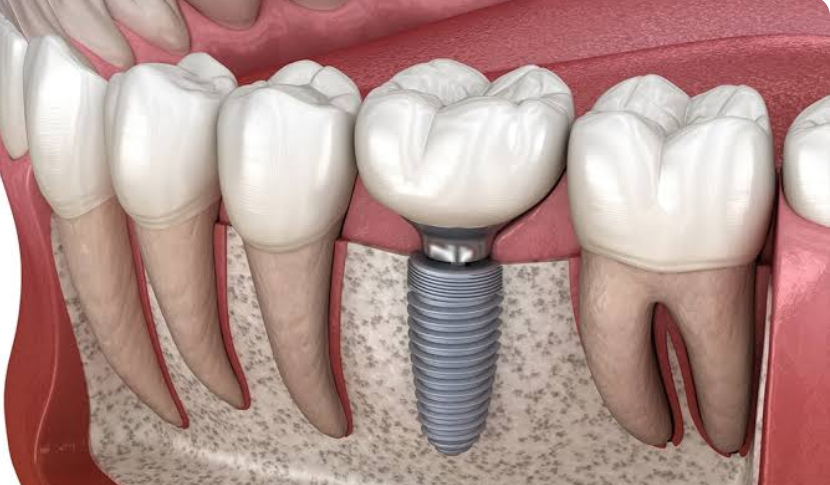
Traditional bridges fill a gap by anchoring a replacement tooth to neighboring teeth. This requires altering healthy teeth to accommodate crowns supporting the bridge. While effective short term, bridges typically need replacement after ten to fifteen years. The altered neighboring teeth also face increased risk of future problems. Implants avoid this tradeoff entirely, since they stand independently without affecting surrounding healthy teeth in any way.

How Removable Dentures Compare

Dentures offer a more affordable upfront solution but come with ongoing tradeoffs. They can shift during eating or speaking, causing discomfort for some patients. Regular adhesive use and periodic relining become part of long-term maintenance. Dentures also rest on the gums rather than stimulating the jawbone, which can accelerate bone loss over time. Implants prevent this bone loss since they integrate directly with the jaw structure.

Stability and Daily Function

Implants offer function closest to natural teeth among all replacement options. Patients can eat a wider variety of foods without worrying about slipping or discomfort. Speech also tends to feel more natural since nothing shifts unexpectedly during conversation. This stability often ranks among the most appreciated benefits patients report after completing treatment, especially those who previously struggled with loose or uncomfortable dentures.

Comparing Long Term Costs

Implants typically cost more upfront than bridges or dentures. However, their durability often means fewer replacements and adjustments over many years. Dentures require periodic relining and eventual replacement. Bridges may need replacement as supporting teeth weaken over time. Calculating total cost across a decade or more frequently shows implants delivering stronger long-term value, despite the higher initial investment required at the start of treatment.

Making the Right Choice for You

The best option depends on individual factors like budget, bone health, and personal priorities. Some patients prioritize immediate affordability, while others value long term stability above all else. Discussing your specific situation openly with your dentist helps clarify which path makes the most sense. There is no universally correct answer, only the option that best matches your health, lifestyle, and financial circumstances.

Conclusion: Weighing Your Tooth Replacement Options

Comparing implants, bridges, and dentures reveals meaningful differences in stability, maintenance, and long-term cost. Implants generally offer the closest function to natural teeth while protecting surrounding structures. Weighing upfront cost against lasting value helps patients make an informed decision. Discussing your priorities openly with a dentist leads to the most appropriate choice for your unique situation.

Getting Started with Warehouse Automation

Many warehouse operators feel overwhelmed at the thought of automating their facility. The process seems complicated, expensive, and disruptive before it even begins. In reality, a thoughtful starting approach makes the transition manageable. Here is a practical path for facilities considering automation for the first time.

A Practical Starting Point for New Adopters

Feeling overwhelmed at the idea of automating your warehouse for the first time? Reliable warehouse automation systems providers help facilities start small and build confidence gradually. Here is how to begin.

Starting With a Facility Assessment

Before choosing any technology, facilities benefit from a thorough evaluation of current workflows. This assessment identifies bottlenecks, repetitive tasks, and areas where manual processes slow overall output. Understanding these pain points first prevents facilities from investing in automation that does not address actual operational challenges. A clear picture of current inefficiencies guides smarter decisions about where automation delivers the most meaningful improvement early on.

Choosing One Process to Automate First

Rather than overhauling an entire facility at once, many operators find success starting with a single process. This might mean automating just the receiving area or a specific packing station. This focused approach limits financial risk while allowing staff to adjust gradually. Success in one area also builds internal confidence and support for expanding automation further once initial results demonstrate clear value.

Involving Staff Early in the Process

Employees who work directly with existing processes often understand operational challenges better than anyone else. Involving them early in planning helps identify practical concerns that might otherwise get overlooked. This inclusion also reduces resistance to change, since staff feel heard rather than blindsided by new equipment. Facilities that prioritize employee input during planning typically experience smoother adoption once automation actually goes live.

Setting Realistic Timelines and Expectations

First time automation projects often take longer than anticipated once unexpected challenges surface. Building extra time into project timelines prevents frustration when adjustments become necessary. Setting realistic expectations about immediate versus long term benefits also matters. Some improvements appear quickly, while others take months to fully materialize as staff adjust to new workflows and systems reach optimal performance.

Partnering With an Experienced Integrator

Facilities new to automation benefit significantly from working with integrators experienced in guiding first time adopters specifically. These partners understand common concerns and can recommend appropriately scaled solutions rather than overselling complex systems unsuited to a facility’s actual needs. Choosing a partner who explains options clearly and patiently helps first time adopters feel confident throughout the entire process.

Conclusion: A Practical Starting Point for New Adopters

Getting started with warehouse automation does not require an overwhelming, all at once approach. Assessing current workflows, choosing one process to automate first, and involving staff early all support a smoother transition. Setting realistic timelines and partnering with an experienced integrator rounds out a practical starting strategy. This measured approach helps facilities build confidence while achieving meaningful results.

What a General Contractor Actually Does and Why It Matters

Most homeowners have a general sense that a general contractor manages a construction project, but the full scope of what that management actually involves is often underappreciated until someone attempts to coordinate a significant project without one. The difference between a smoothly executed renovation and a chaotic, over-budget ordeal frequently comes down to whether a qualified professional was steering the entire process from start to finish.

One Point of Contact Changes Everything About a Project

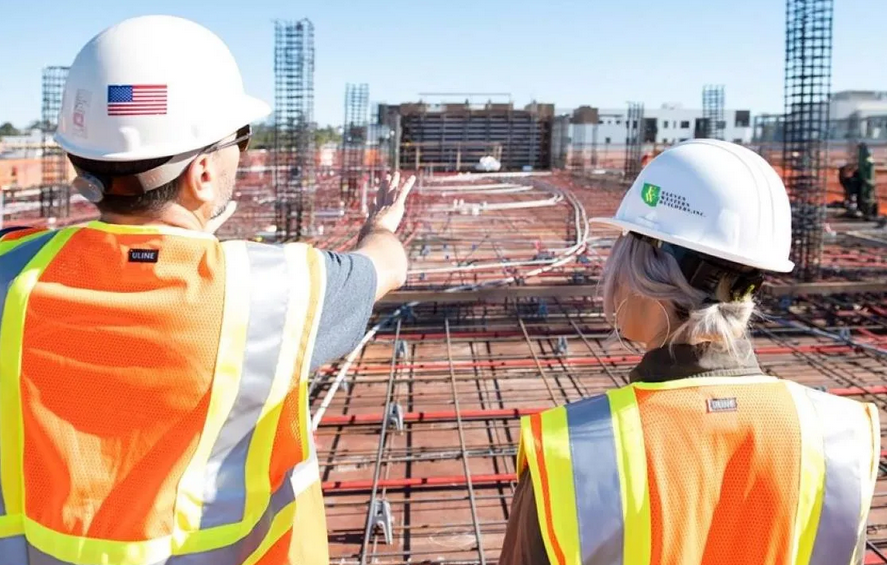
Managing a construction or renovation project without professional coordination means juggling multiple trades, resolving scheduling conflicts, and making hundreds of decisions that compound on each other daily. Homeowners and developers who want a seamless experience from concept to completion partner with an experienced general contractor Marietta GA who takes full ownership of every moving part so the client never has to.

Coordinating Multiple Trades Is a Full Time Responsibility

To begin with, even a moderately sized renovation involves a sequence of trades that must arrive, complete their work, and clear the site in a precise order that keeps the project moving without costly gaps or overlaps. Framing must be complete before rough electrical and plumbing begin. Inspections must be passed before walls close. Flooring cannot be installed before painting is finished. 

Budget Management Requires Constant Active Attention

Furthermore, keeping a construction project within its established budget requires far more than producing an accurate estimate at the outset. Material prices fluctuate, unexpected site conditions emerge, and scope adjustments requested by the client all create financial variables that must be tracked, documented, and communicated in real time throughout the project. An experienced general contractor maintains detailed cost accounting throughout the build, flags potential overruns before they become significant, presents options when adjustments are needed, and ensures that every change order is documented and approved before additional expenditure is committed. 

Permit and Inspection Management Keeps Projects Legally Compliant

Another dimension of general contractor value that homeowners rarely fully appreciate until they attempt to navigate it independently is the complexity of permit acquisition and inspection management. Building permits, trade permits, zoning considerations, and the inspection sequence required to maintain compliance throughout a project involve a working knowledge of local requirements and established relationships with municipal departments that an experienced general contractor brings to every project automatically. 

Accountability for the Finished Product Rests with One Professional

Finally, one of the most practically valuable aspects of working with a general contractor is the clarity of accountability it creates for the finished product. When multiple trades are hired independently by a homeowner, questions about whose work caused a problem, who is responsible for fixing it, and who should bear the cost become complicated negotiations that most homeowners are poorly positioned to win. 

Conclusion: One Point of Contact Changes Everything About a Project

To sum it all up, a general contractor brings trade coordination, active budget management, permit compliance, and unified accountability to a construction project in ways that transform the experience for the client and consistently produce better finished results. Attempting to replicate that coordination independently is possible in theory but rarely works as smoothly in practice as it appears it should before the project begins. Trust a qualified general contractor with the full scope of your project, and focus your energy on the decisions that matter to you while a professional handles everything else from the first permit application to the final walkthrough.

The Workplace Health Risks Hiding in a Poorly Cleaned Office

Most business owners think about office cleaning in terms of appearances. Visible dirt gets addressed, common areas get wiped down, and the space looks presentable enough to receive clients and keep employees comfortable. What this surface-level approach misses entirely is the category of health risks that thrive out of sight and accumulate quietly in workplaces that are cleaned inadequately or inconsistently.

Why Professional Office Cleaning Is a Workplace Health and Safety Issue

The cleanliness of a workplace is not just an aesthetic consideration. It is a genuine health and liability matter that affects every person who spends time in the building. Business owners who have made the shift to professional commercial office cleaning service Pittsburgh PA often discover that the most compelling reason to invest in thorough cleaning has nothing to do with appearances and everything to do with the wellbeing of their team.

Indoor Air Quality Deteriorates Without Regular Professional Cleaning

First and foremost, the air quality inside a commercial building is directly affected by the cleanliness of its surfaces, ventilation systems, and soft furnishings. Dust, mold spores, pollen, and volatile organic compounds accumulate in carpets, upholstered furniture, and HVAC systems that are not regularly and thoroughly cleaned. Poor indoor air quality has been linked to headaches, fatigue, respiratory irritation, and a cluster of symptoms collectively known as sick building syndrome. 

High Touch Surfaces Are Pathogen Hotspots That Demand Targeted Attention

Furthermore, the surfaces that employees interact with most frequently throughout the workday are also the most effective vectors for spreading illness through a workplace. Door handles, elevator buttons, shared keyboards, printer controls, coffee machine interfaces, and break room surfaces can harbor bacteria and viruses for hours or even days without proper disinfection. During cold and flu season, a single infected employee touching these surfaces can trigger a chain of transmission that moves through an entire office within days. 

Mold Growth in Office Environments Poses Serious Health Consequences

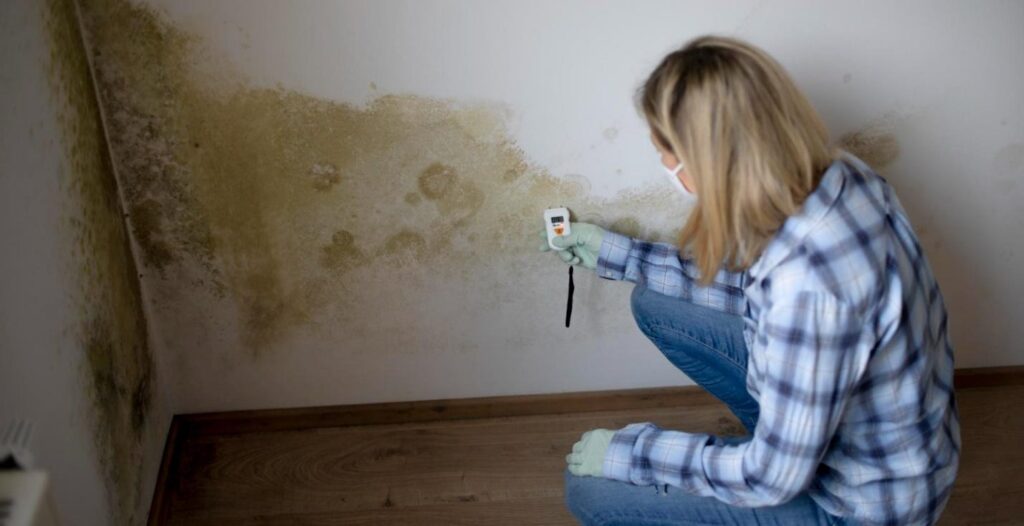
Another health risk that inadequate commercial cleaning allows to develop is mold, which thrives in the damp, poorly ventilated areas that routine surface cleaning consistently misses. Bathrooms, kitchen areas, spaces near windows, and zones around HVAC components are all vulnerable to moisture accumulation that creates ideal mold growth conditions. Prolonged mold exposure in a workplace environment causes respiratory symptoms, allergic reactions, and in cases involving particularly toxic strains, more serious health consequences that can affect employees for months. 

Employer Liability Grows When Workplace Cleanliness Is Neglected

Finally, beyond the direct health impact on employees, inadequate workplace cleaning creates a liability exposure that business owners rarely factor into their decision making until a problem forces the issue. Employers carry a legal duty of care to maintain a safe working environment, and documented evidence that cleaning standards were consistently inadequate can be used against a business in workers’ compensation claims or workplace safety disputes. Investing in professional cleaning is therefore not just a health decision. 

Conclusion: Why Professional Office Cleaning Is a Workplace Health and Safety Issue

To wrap it all up, the case for professional office cleaning extends well beyond keeping up appearances. It is rooted in air quality, pathogen control, mold prevention, and the legal responsibility every employer carries to maintain a genuinely safe working environment. Surface-level cleaning approaches leave too much unaddressed and too many risks quietly building in the background. 

Acting Fast Is Everything When Water Damage Strikes Your Home

Water damage is one of the most time-sensitive emergencies a property owner can face. Within hours of a flood, burst pipe, or appliance failure, water begins penetrating walls, saturating flooring, and creating the conditions that lead to mold growth and structural deterioration. Every minute that passes without professional intervention narrows the window for a full and cost-effective recovery.

Why the Restoration Team You Call First Makes All the Difference

When water is actively damaging your home or business, the speed and expertise of the response determine how much of your property can be saved and how much must be replaced. Property owners who have navigated this crisis with the help of trusted emergency water damage restoration services Atlanta GA understand that who you call in those first critical hours shapes everything that follows. Here is what makes a truly capable restoration team stand apart when it matters most.

The First 24 Hours Determine the Extent of the Damage

First and foremost, water damage operates on a timeline that works against anyone who waits. In the first hour, water spreads rapidly and begins soaking into porous materials. Within 24 hours, drywall softens, wood begins to warp, and mold spores already present in the environment find the moisture they need to take hold. By the 48-hour mark, mold colonies can be actively growing and structural materials may be compromised beyond simple drying. 

Proper Drying Goes Far Deeper Than It Appears

Furthermore, one of the most common and costly mistakes made during water damage recovery is assuming that a space is dry once visible water has been removed and surfaces feel dry to the touch. Moisture migrates deep into wall cavities, subfloors, insulation, and structural framing in ways that are completely invisible without professional moisture detection equipment. 

Mold Prevention Is Far Easier Than Mold Remediation

Another critical reason to engage professional restoration services immediately after water damage is the opportunity it creates to prevent mold before it establishes itself. Mold remediation after a significant growth event is a far more involved, disruptive, and expensive process than the preventive treatments applied during the drying phase of a proper restoration. Professional teams apply antimicrobial treatments to affected surfaces and maintain controlled drying conditions that deny mold the moisture it needs to survive. Getting ahead of mold growth is always preferable to addressing it after the fact.

Experienced Restorers Navigate the Insurance Process with You

Finally, dealing with a water damage insurance claim while simultaneously managing the physical recovery of your property is an overwhelming combination that catches most homeowners completely off guard. Experienced restoration companies understand insurance documentation requirements thoroughly and work alongside adjusters to ensure that the full scope of damage is properly recorded and accounted for. 

Conclusion: Why the Restoration Team You Call First Makes All the Difference

To wrap it all up, responding to water damage quickly and with the right professional team is the single most important factor in minimizing loss, preventing mold, and achieving a complete recovery. The decisions made in the first hours after water damage occurs have consequences that ripple through every stage of the restoration process. Do not leave those decisions to chance. Have a trusted emergency restoration team in mind before you ever need one, because when water damage strikes, there is no time to spare.