
Getting Started with Warehouse Automation

Many warehouse operators feel overwhelmed at the thought of automating their facility. The process seems complicated, expensive, and disruptive before it even begins. In reality, a thoughtful starting approach makes the transition manageable. Here is a practical path for facilities considering automation for the first time.

A Practical Starting Point for New Adopters

Feeling overwhelmed at the idea of automating your warehouse for the first time? Reliable warehouse automation systems providers help facilities start small and build confidence gradually. Here is how to begin.

Starting With a Facility Assessment

Before choosing any technology, facilities benefit from a thorough evaluation of current workflows. This assessment identifies bottlenecks, repetitive tasks, and areas where manual processes slow overall output. Understanding these pain points first prevents facilities from investing in automation that does not address actual operational challenges. A clear picture of current inefficiencies guides smarter decisions about where automation delivers the most meaningful improvement early on.

Choosing One Process to Automate First

Rather than overhauling an entire facility at once, many operators find success starting with a single process. This might mean automating just the receiving area or a specific packing station. This focused approach limits financial risk while allowing staff to adjust gradually. Success in one area also builds internal confidence and support for expanding automation further once initial results demonstrate clear value.

Involving Staff Early in the Process

Employees who work directly with existing processes often understand operational challenges better than anyone else. Involving them early in planning helps identify practical concerns that might otherwise get overlooked. This inclusion also reduces resistance to change, since staff feel heard rather than blindsided by new equipment. Facilities that prioritize employee input during planning typically experience smoother adoption once automation actually goes live.

Setting Realistic Timelines and Expectations

First time automation projects often take longer than anticipated once unexpected challenges surface. Building extra time into project timelines prevents frustration when adjustments become necessary. Setting realistic expectations about immediate versus long term benefits also matters. Some improvements appear quickly, while others take months to fully materialize as staff adjust to new workflows and systems reach optimal performance.

Partnering With an Experienced Integrator

Facilities new to automation benefit significantly from working with integrators experienced in guiding first time adopters specifically. These partners understand common concerns and can recommend appropriately scaled solutions rather than overselling complex systems unsuited to a facility’s actual needs. Choosing a partner who explains options clearly and patiently helps first time adopters feel confident throughout the entire process.

Conclusion: A Practical Starting Point for New Adopters

Getting started with warehouse automation does not require an overwhelming, all at once approach. Assessing current workflows, choosing one process to automate first, and involving staff early all support a smoother transition. Setting realistic timelines and partnering with an experienced integrator rounds out a practical starting strategy. This measured approach helps facilities build confidence while achieving meaningful results.
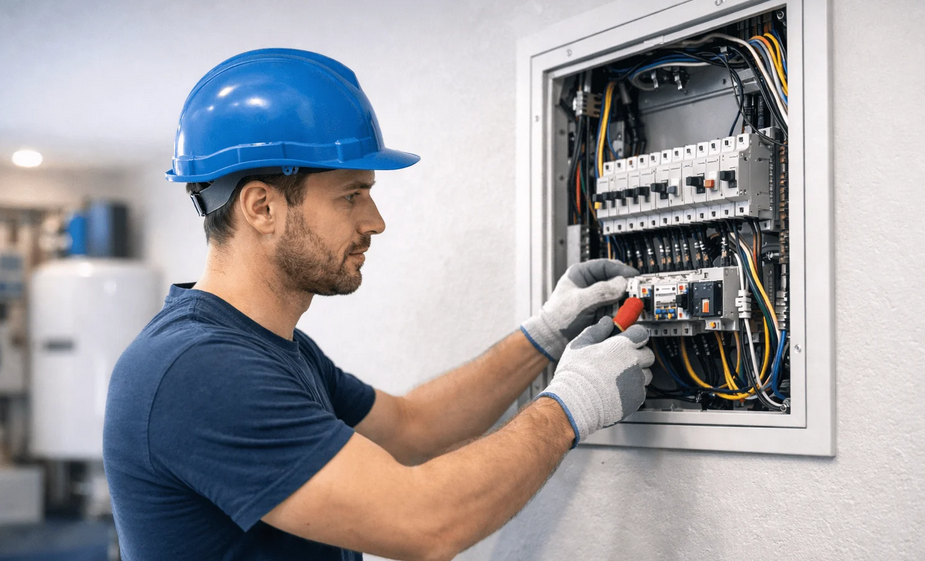
How to Get Your Electrical System Ready Before Storm Season Hits

Severe weather has a way of exposing every weakness in a property’s electrical system at the worst possible moment. Power surges from lightning strikes, outages that stretch for days, and water intrusion that compromises wiring and panels are all predictable consequences of storm season that far too many property owners face completely unprepared. Getting ahead of these risks before the first storm arrives is always smarter than scrambling after the damage is done.

The Electrical Preparations Every Property Owner Should Make Before Severe Weather Arrives

Storm preparedness means different things to different people, but for property owners who take it seriously, the electrical system is always near the top of the list. Those who have worked proactively with a trusted electricians Charleston SC team before storm season understand that a few targeted preparations make an enormous difference in how their property weathers whatever the season brings. Here is where that preparation should be focused.

Whole Home Surge Protection Is Your First Line of Defense

First and foremost, lightning strikes and utility fluctuations during storms generate powerful voltage surges that travel through power lines and into your property’s electrical system in milliseconds. Individual surge protector strips offer limited protection against these events and are completely overwhelmed by a direct or nearby lightning strike. A whole home surge protection system installed at the panel level intercepts these surges before they reach any appliance, device, or piece of equipment in the building. 

A Properly Installed Generator Keeps Your Property Functional

Furthermore, extended power outages during and after major storms are a reality that property owners in storm-prone regions need a concrete plan for addressing. A professionally installed standby generator that activates automatically when grid power is lost keeps critical systems running without interruption. Refrigeration, medical equipment, heating and cooling, sump pumps, and security systems all continue functioning seamlessly through an outage when a properly sized and correctly installed generator is part of your electrical setup. 

Outdoor Electrical Components Need Weather-Specific Attention

Another area of storm preparation that often goes overlooked is the condition and weatherproofing of outdoor electrical components. Exterior outlets, lighting fixtures, panel covers, and conduit entry points all require proper sealing and weather-resistant covers to prevent water intrusion during heavy rain and flooding. 

Post Storm Electrical Inspections Prevent Hidden Damage

Finally, even properties that appear to have come through a major storm unscathed benefit significantly from a professional electrical inspection before returning to normal use. Water intrusion that reaches wiring or panels may not produce immediate symptoms but creates corrosion and insulation damage that develops into serious hazards over the following weeks and months. 

Conclusion: The Electrical Preparations Every Property Owner Should Make Before Severe Weather Arrives

To wrap it all up, storm season preparedness for your electrical system comes down to whole home surge protection, professional generator installation, weatherproofing outdoor components, and committing to a post-storm inspection after significant weather events. Each of these steps addresses a real and predictable risk that leaves unprepared properties vulnerable every single season. Take the time to make these preparations now and face whatever storm season brings with the confidence that your electrical system is ready for it.